
Where We Are
I believe this is the golden age of computer science.
 Image: The New Stack
We have dreamed about autonomous, intelligent machines for decades. We're not there yet, but for the first time, we can start to see it happening.
What surprised me was the speed. In just a few years, we've gone from chatbots to prompt engineering to what Andrej Karpathy (OpenAI co-founder) called vibe coding — describe what you want, let AI write the code (Collins Dictionary named it Word of the Year). And then it went further. We entered the agentic era: AI that doesn't just generate snippets but reads your codebase, forms a plan, makes changes, runs tests, sees what fails, and adjusts, showing intelligence and unexpected capabilities, using tools the way humans do.
I've seen things that would have been unthinkable two years ago, and they all happened in the last few months. A Cloudflare engineering manager rebuilt Next.js on Vite in under a week with 1,700 tests as the quality gate. Peter Steinberger (PSPDFKit founder) built a 300,000-line application by running multiple AI agents in parallel. Simon Willison (Datasette creator, Django co-creator) vibe coded a macOS presentation app in Swift in 45 minutes without knowing the language.
And it's happening here too. Stefano is building Signals, a marketing intelligence platform replacing commercial SaaS, entirely with agents. He also migrated our company blog from HubSpot to Hugo, a fast, open source static site generator, in a few hours of work using agents, new UX/UI design included, and you're looking at the result right now.
What you can build is no longer limited by what you personally know how to code. You can work in any language, on any platform. People are building entire operating systems by talking to AI. And this reaches beyond code into infrastructure, design, project planning, documentation.
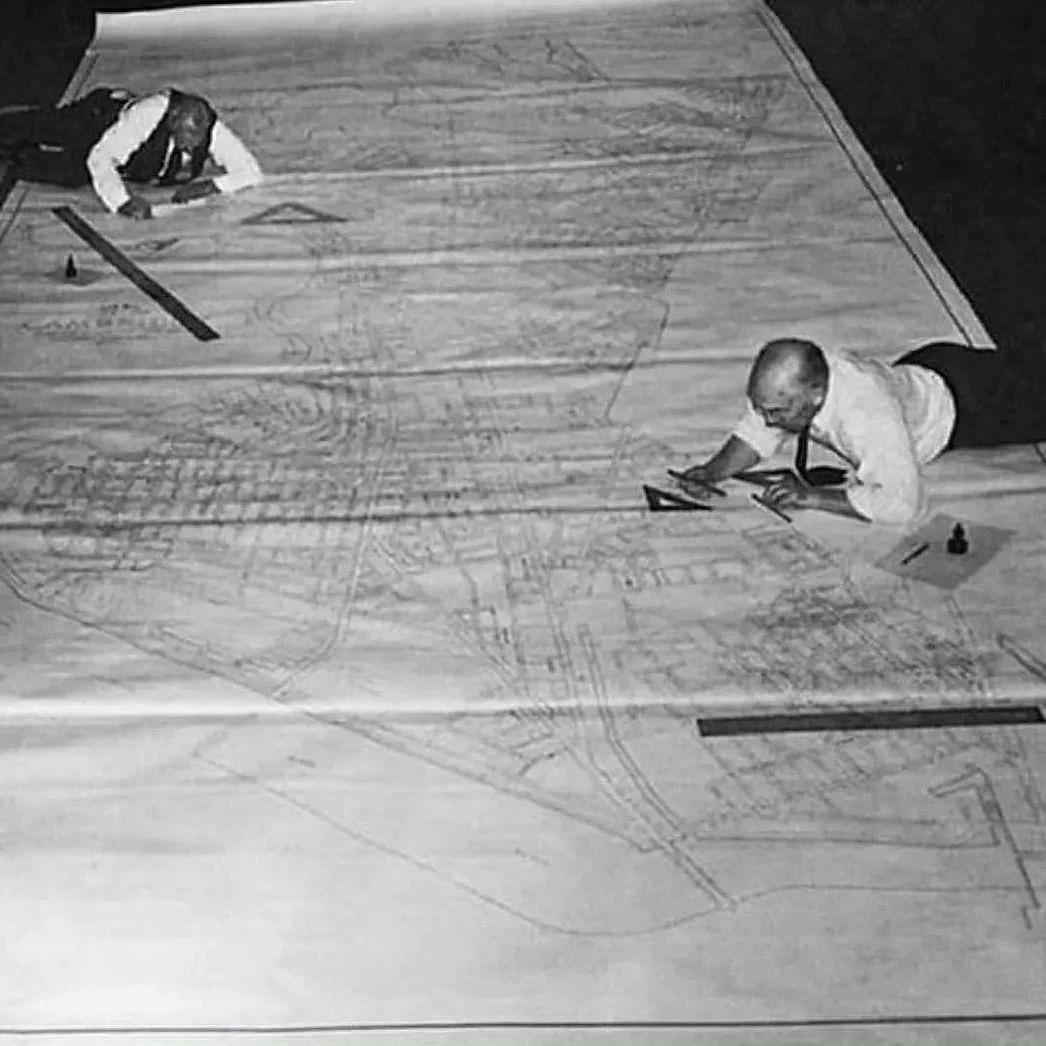
That kind of shift is not new. The architects in that photo don't know their drafting tables are about to disappear. When calculators entered classrooms, critics were sure students would lose the ability to do math. In 1492, a Benedictine abbot named Trithemius wrote In Praise of Scribes, arguing that hand-copying was sacred and printing would corrupt knowledge. Two years later he had the treatise printed, because even he couldn't ignore what the technology made possible.
I know some of you are excited about this. I know some of you are worried. I want to be honest.
Skipping this means missing the chance to learn, to do more interesting work, to operate at a level that wasn't possible before. When agents handle the repetitive work, we're free to focus on what only humans bring: intuition, taste, judgment. And there's a harder truth: AI-first professionals are already emerging, and they will be more competitive. It's not a bubble. It's not going away. Choosing to embrace it is a rational decision.
I know that's a hard thing to say in a company that puts people first. We do put people first, and we need to move. Both are true, and one doesn't cancel the other. We're investing in this because we believe in the people here, not despite them. But belief doesn't change anything on its own.
We're putting everything in place: tools, skills, training, shared practices, so no one has to figure this out alone. But none of that matters if you don't show up. We need everyone: developers, designers, project managers, cloud engineers. Experiment. Share what works. Challenge what doesn't.
This is the time to evolve. We will support you in every way we can, but we need your support too.
What won't change is why this company exists. Our vision has always been harmony between skills and human relations. The future is full of opportunities never seen before. I've never believed in that more than I do right now.
Everything you need to get started is in the pages that follow. And if you're not sure where to begin, that's fine. We're here.
Let's build it together.
— Paolo Mainardi, founder and CTO
Together with the SparkFabrik board: Ayse Meric, Marco Giacomassi, Stefano Mainardi, Alessio Piazza, Paolo Pustorino